
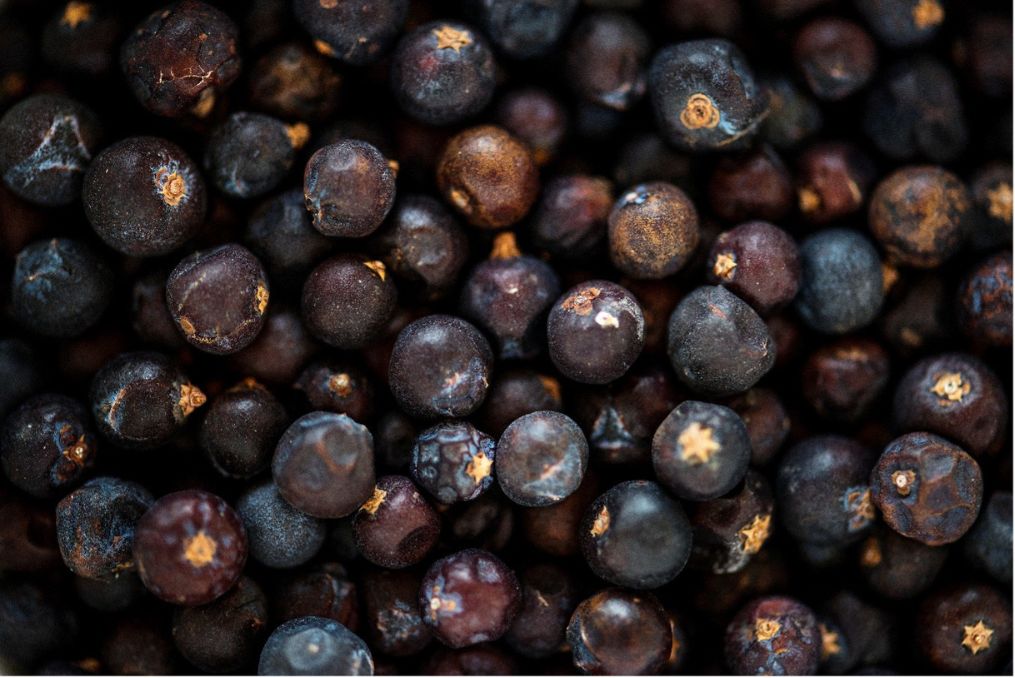
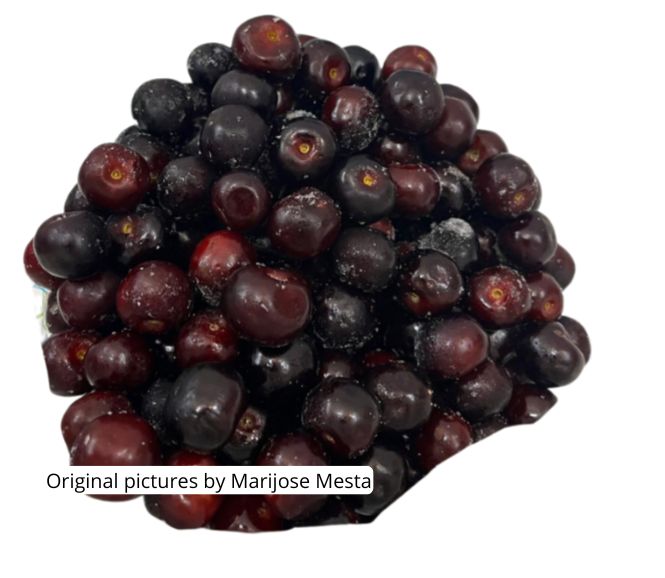
Capulin fruit (Prunus serotina) grows wild in central regions of Mexico, and its pulp is used in jams and artisanal liqueurs. However, its seeds are either consumed as a salty snack or discarded as an agricultural byproduct. Recent studies show that capulin kernels have a nutritional composition rich in protein, lipids, and fiber, positioning them as a potential source of plant-based ingredients. However, there is limited information linking the techno-functional properties of the flour to its protein composition and the flour’s potential bioactivity.
From an overlooked oilseed to a functional ingredient
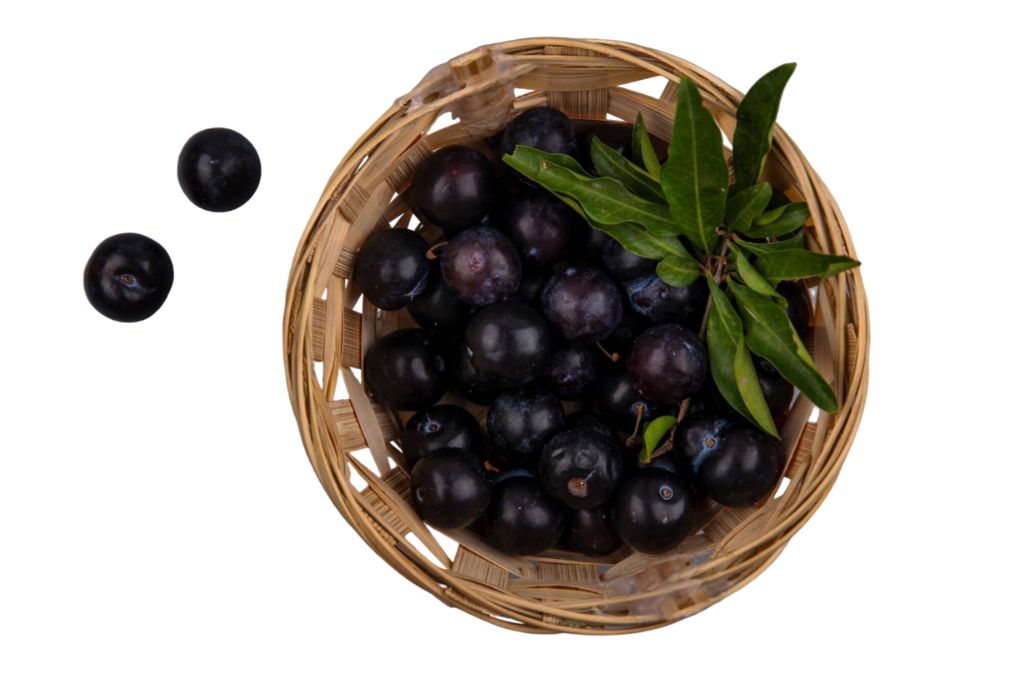
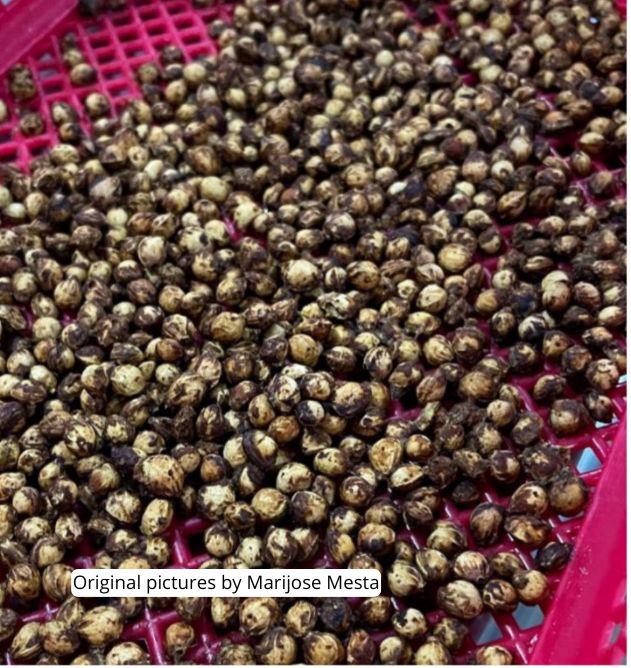
The capulin tree bark and fruit have been used in pre-Hispanic Mexican cultures as natural remedies for gastrointestinal, respiratory, and cardiovascular conditions. Meanwhile, after fruit processing, the kernel is discarded or, in some regions, consumed as a salted snack, thereby ignoring its nutritional potential and leaving it an underutilized byproduct.
The growing interest in agro-industrial byproduct valorization has prompted the scientific community to investigate underexplored plant materials to uncover their nutritional and functional potential. Proximal characterization of the capulin kernel has demonstrated nutritional value; further evaluation of its protein fraction would elucidate the techno-functional behavior of the kernel flour, facilitating its application in an optimal food matrix. The assessment of protein composition and techno-functional properties is crucial to successfully transform the overlooked oilseed into an innovative functional ingredient.
Functional properties of plant protein ingredients
Plant proteins exhibit specific techno-functional characteristics that are key indicators to be successfully incorporated into food matrices. These characteristics specify how the kernel flour interacts with water and oil molecules; some of these properties are:
- Solubility: The amount of protein that dissolves in a solvent, which is affected by pH, temperature, and ionic strength. It directly affects its emulsifying and foaming capabilities.
- Water-holding capacity (WHC): Measures the water retention of proteins, which can improve texture and overall maintain moisture in food matrices.
- Oil-holding capacity (OHC): Measures the capacity of proteins to bind to lipids, which improves texture and flavor.
- Emulsifying capacity: The amount of oil that a protein can disperse to form a stable emulsion.
- Foaming capacity: The volume increases after whipping, which represents the air trapped that forms stable foams.
- Digestibility: Measures how effectively the protein breaks down after digestion, which determines its true nutritional potential.
Impact of capulin kernel protein on functionality
Previous studies have analyzed the protein composition of capulín kernel, demonstrating that the main storage protein present is albumin, with low concentrations of prolamins (Raya-Pérez et al. 2012). This elucidates the potential applications of the kernel, since the most abundant protein is recognized by its solubility, foaming, and emulsifying capacities. The functional behavior of these proteins is directly related to their amino acid composition, which is rich in aspartic and glutamic acid, both hydrophilic amino acids that act as key sites for protein-water interactions. Furthermore, the amino acid profile of the kernel also contributes to the digestibility of the kernel flour.
In addition to their techno-functional properties, kernel proteins contribute to the bioactive potential of the flour, as they contain peptides that exhibit antioxidant, anti-inflammatory, and antihypertensive activities in Prunus kernels. However, few studies have reported these bioactivities in Prunus serotina kernels (Telichowska, Kobus-cisowska, and Szulc 2020). A comprehensive analysis of the kernel protein potential that links its protein and amino acid composition to its techno-functional behavior, while concurrently evaluating bioactivity, hasn’t been performed.
Capulin kernel from agricultural waste to a sustainable functional protein
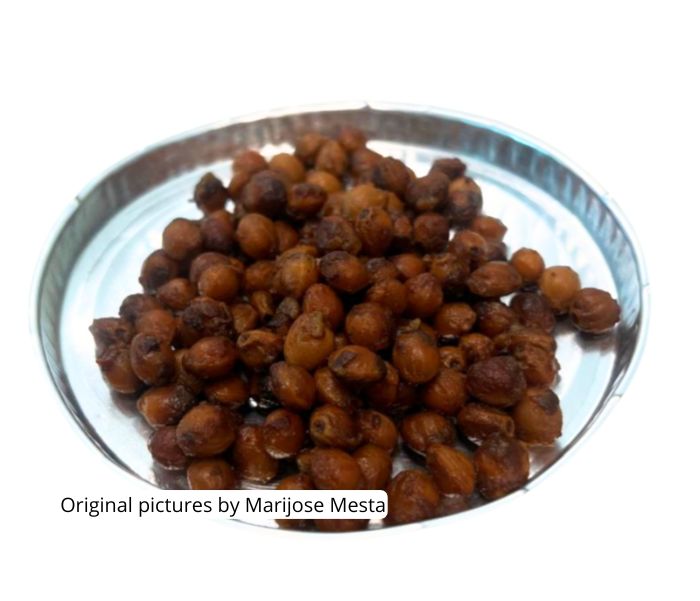
Agro-industrial waste and underutilized plant material offer a novel alternative to food ingredients, providing an economic opportunity for rural communities, as the capulin tree grows in the wild and requires little care. The use of traditional and native crops would enhance the implementation of circular and resilient food systems, supporting the diversity of local diets, while the scientific field validates the bioactive potential and assesses the safety of novel ingredients.
References
Raya-Pérez, J.C. et al. 2012. “Caracterización de Las Proteínas de Reserva y Composición Mineral de La Semilla de Capulín (Prunus Serotina).” Polibotánica 34(34): 223–35. http://www.scielo.org.mx/scielo.php?script=sci_arttext&pid=S1405-27682012000200011&lng=es&nrm=iso&tlng=es (September 22, 2025).
Telichowska, Aleksandra, Joanna Kobus-cisowska, and Piotr Szulc. 2020. “Phytopharmacological Possibilities of Bird Cherry Prunus Padus L. and Prunus Serotina L. Species and Their Bioactive Phytochemicals.” Nutrients 2020, Vol. 12, 12(7): 1–21. https://www.mdpi.com/2072-6643/12/7/1966 (March 17, 2026).